
Myth Busting #2: The Wagging Tail; A Misunderstanding
Oct 14, 2026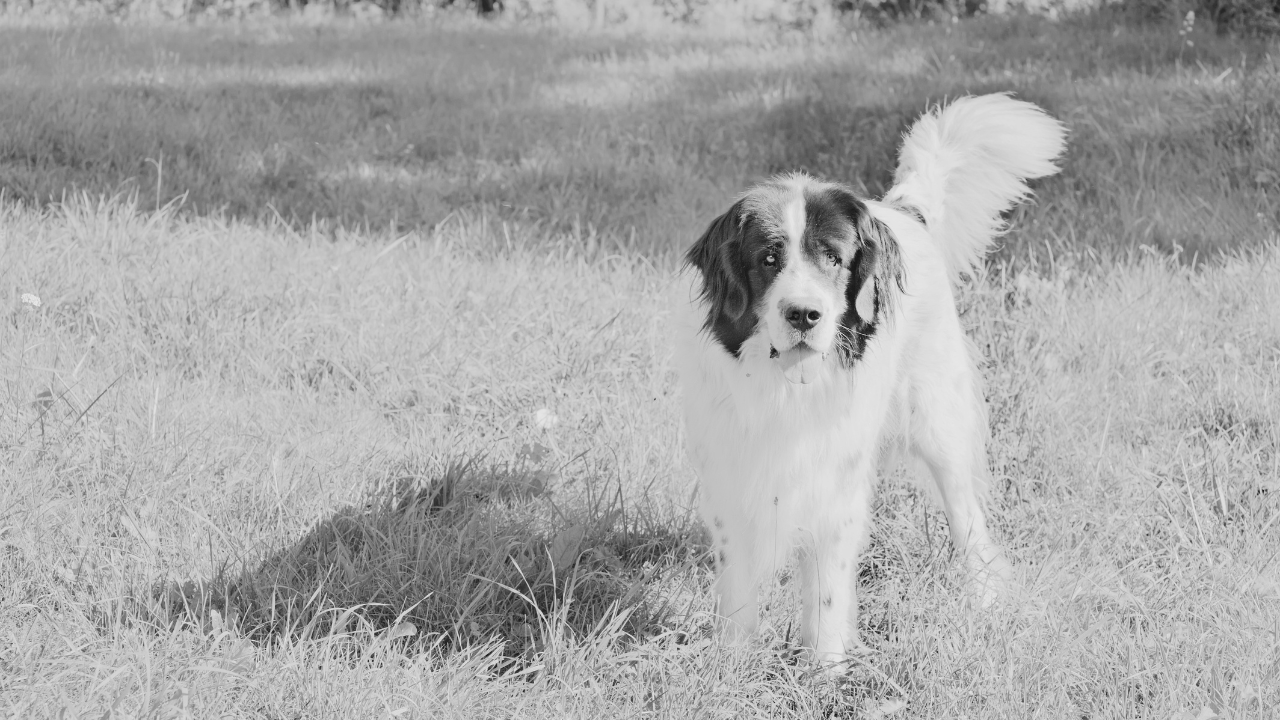
THE MYTH: Dogs only wag their tail because they are happy!
This is one of the first things we learn about dogs when we are children, and it’s an idea so ubiquitous that we find it pop up in almost every bit of dog focused media - from films and tv shows, to books and old paintings…dogs are always represented as happy with a wagging tail. It’s a trope and it’s a myth. As always, reality is a bit more complex…
MYTH BUSTED: Dogs wag their tails to communicate with dogs and other people; expressing a whole spectrum of emotions which, of course, include happiness but also more negative feelings like stress or agitation. Misreading all tail wags as a friendly invitation to get closer is one of the main causes of sudden bites or barks from a misunderstood dog. Think of it this way: the pup is trying their best to communicate one thing, and they’re doing it the best way they know how, but you have responded with the exact opposite of what they want! It would be like if you asked to be left alone and someone responded by sticking a hand in your face, you’d probably raise your voice as well. Like humans, dogs value their personal space, and a wagging tail is one of the best ways they have of communicating the need for that space.
Maren’s Hot Take! ‘In our experience, we’ve found that dogs with cropped ears and docked tails (such as Doberman Pinschers and Rottweilers) sometimes have trouble making friends with other dogs…and we think that’s because other dogs can’t read them properly, and so they come off as threatening or confrontational.’
When that tail starts a-wagging …
Look out for: a highly held tail with stiff, deliberate wags as this can mean an on-edge or guarding temperament from the animal. They are conveying a sense of tension so plenty of space should be given, and caution is your best approach.
Look out for: a lowered tail with fast wagging as this is an expression of a nervous disposition; the pup isn’t comfortable for some reason and, if approached too liberally, their nervousness could quickly turn to fear. A fearful dog may then defend themselves from a perceived threat that isn’t listening to them.
Look out for: other context clues! If you are unsure about what a particular tail wag means then keep an eye on the dog’s ear positioning, their posture and whether they are lip curling or flashing teeth your way.
And finally, Look out for: a high and swaying tail with loose, easy-going sweeps as this does mean that the dog in question is in fact happy!
Written by C.W. Swan