
Myth Busting #3; You CAN Teach an Old Dog New Tricks
Oct 28, 2026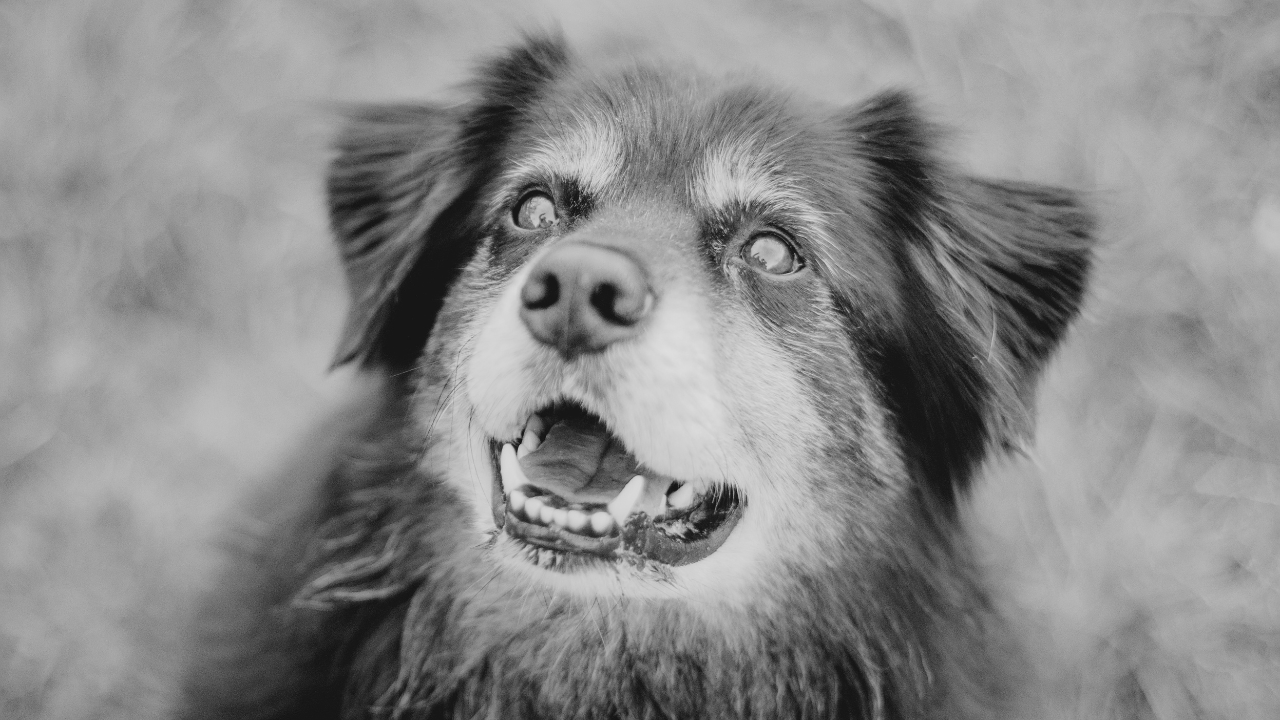
THE MYTH: We’ve all heard the old saying - whether in everyday conversation or in an old movie, the scene plays out the same: ‘Why did you do that thing you said you weren’t going to do anymore?’ a shoulder shrug, ‘Eh…I guess you can’t teach an old dog new tricks.’ Followed by a smirk and the end of the conversation/ scene.
This phrase ‘you can’t teach an old dog new tricks’ is so well understood in its meaning that it essentially functions as a conversation ender. It concludes the conversation because we all know what that phrase means: it’s hard to change old habits and learn new ones. It’s simple. The meaning we get and this effect is achieved because of the almost universal assumption that the statement is true; you really cannot teach an old dog new tricks. It’s ironic that the phrase has such a powerful conversational effect because, with just a little bit of research, it becomes clear that you CAN, in fact, teach an old dog new tricks! It just works a bit differently than when training younger dogs.
Younger dogs, and puppies especially, have an abundance of energy waiting to be expended, and dedicated training gives them an outlet for this energy with the positive reinforcement of a treat and social credit from their joyous owner at the end. This in turn creates a positive feedback loop where the dog will energetically seek out playtime and training because of how good it makes them feel.
With older dogs, the mistake that a lot of owners make is assuming that because age has slowed them physically and they don’t seek out high energy activity as often they therefore are not as interested in picking up a new trick or behaviour. We anthropomorphise the older dog to an extent in this instance because we view their training as a pup similarly to our education at primary and higher schooling - we did a good stretch of concentrated learning, and now we’re fully grown and should apply that learning to our everyday mature, adult life. But, as psychology tells us: we, as people, thrive on learning new skills at every stage of life and therefore, (to anthropomorphise in the opposite direction) so too do dogs!
As a Geroscience study published by the National Library of Medicine in 2024 shows: The application of physical training programmes (interventions focused on exercise and endurance) on senior dogs over a 3 month period showed an improvement in the dogs’ behavioral flexibility and social behaviours. The application of cognitive training programmes (interventions focused on problem solving activities) on senior dogs over a 3 month period showed an increase in the dogs’ love of new experiences.
We can conclude, quite safely from this, that teaching an old dog new tricks i.e new behaviours and new activities, not only benefits them in the short term but improves their quality of life and enjoyment of life in the long term. The term used by the researchers in the study’s abstract was that the dogs showed “increased neophillia” which I was particularly struck by…mostly because I didn’t know what it meant! Simply put, it describes the love, and active seeking, of new experiences, novel activities, and fresh interactions. It literally translates from Latin as; ‘a love of the new’. I find that conclusion absolutely charming - that by consistently teaching an old dog new tricks we inspire within them a sense of wonder and excitement for what the next day will bring. In a way, we bring our old companion back to that enthusiastic zeal of their younger self…we let them feel like a puppy again, ready to seek out what novel fancies life has yet to offer them, and, truly, that must be what dogs want…right?
So! When training an older dog:
-Don’t be put off by the fact that they do not immediately take to the new task with immediate enthusiasm! They’re older and most likely more tired than in their youth - take your time, and bring consistency and patience to the teaching…they’ll get there eventually!
-Use their maturity to assist you! You’ll likely have, over the years, discovered what their favourite treat is…what they regard as a high value treat…reward success during learning with this treat as a reward! They’ll clock into how important this new dance routine you're teaching them is if it gives them access to THE BIG BONE CHEW FROM THE PET SHOP.
-Tailor the training to potential sensory loss - your senior pup may have some hearing or sight problems…be ready to apply either hand signals more often or clearer vocal commands dependent on the animal. They may physically have wilted somewhat, but their mind is still there! You have to make sure you can communicate what you want to teach them as effectively as possible.
And you really should teach an old dog new tricks because:
-It keeps them sharp and slows their cognitive decline! It keeps them flexible for any changes in their household i.e new pets, new friends, and moving homes!
-It inspires them to seek out the new!
-It improves their mood and benefits their socialisation habits!
This is just a few ideas on what to keep in mind when training a senior dog, and why it’s so important. For a more comprehensive guide then please do not hesitate to reach out to us here at What Dogs Want as we are more than happy to help! And for more canine myths being debunked… keep up to date with our weekly blogs!
Written by C.W. Swan
Sources:
https://nutrenaworld.com/blog/dogs-cats/dog-myths-and-misconceptions/
https://pubmed.ncbi.nlm.nih.gov/38568435/
https://paw-champ.com/journal/how-to-train-an-old-dog-complete-guide/
AmericanKennelClub.com